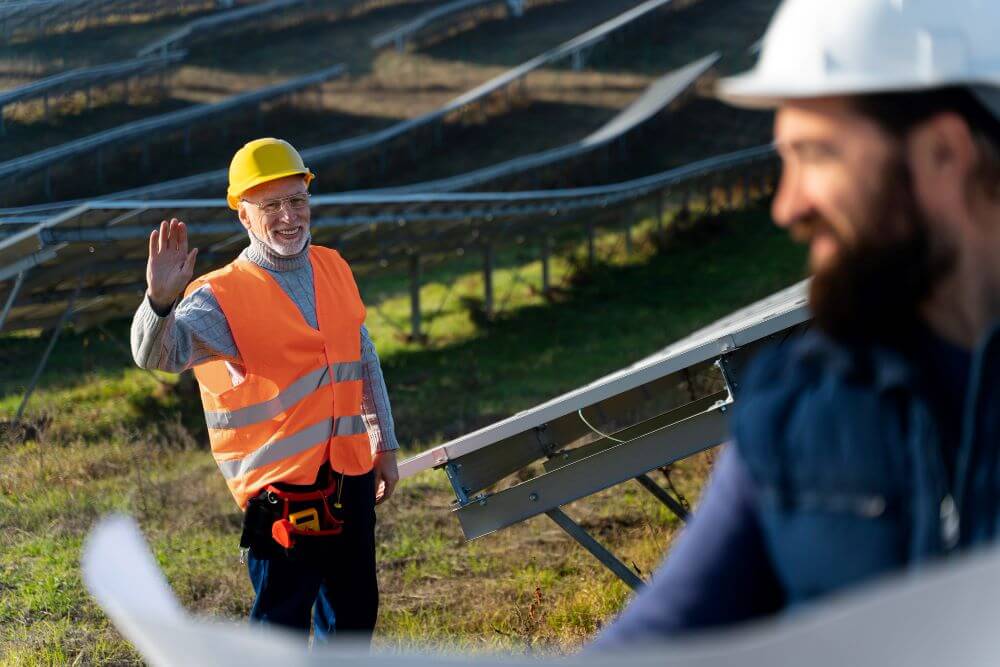
As more homes and businesses switch to low-carbon heating, renewable installations have become increasingly common across the UK. Alongside this growth comes greater responsibility for installers to deliver safe, efficient systems that meet industry standards and customer expectations. Even small mistakes during design or installation can lead to performance issues, costly callbacks and compliance concerns. Investing in the right skills helps you avoid these risks while giving customers greater confidence in your work. Ongoing training also prepares your business for changes across the renewable sector, helping you maintain high standards as technologies and regulations continue to evolve.
Why competence is the foundation of safe renewable installations
Every successful renewable installation starts with a knowledgeable installer. Renewables training gives engineers the practical skills and technical understanding needed to design, install and commission systems correctly from the outset. Structured learning also builds confidence when working with technologies such as heat pumps, allowing installers to make informed decisions on system sizing and performance. This knowledge reduces the likelihood of common installation errors that can affect efficiency or require expensive remedial work.
Reducing compliance risks through accredited training
Accredited training helps installers stay aligned with recognised industry standards while supporting routes towards certification where required. Following established training pathways gives businesses a clearer understanding of current technical guidance, installation requirements and the documentation needed to demonstrate compliance.
Eligible heating engineers in England can also benefit from the UK Government’s Heat Training Grant, which helps cover the cost of approved heat pump training. Financial support like this makes it easier for businesses to invest in professional development without placing unnecessary pressure on training budgets.
Improving installation quality and customer confidence
Hands-on training allows installers to build practical experience alongside technical knowledge. Working through real installation scenarios improves skills in system design, commissioning, fault-finding and servicing, making it easier to diagnose problems efficiently and deliver reliable results.
Better-trained engineers often achieve more first-time fixes because they understand how different system components work together. This can reduce warranty claims, minimise disruption for customers and improve the long-term performance of renewable systems.
Preparing your business for future market and regulatory changes
The renewable heating sector continues to develop as demand for low-carbon technologies grows and government policies evolve. Regular training helps your business adapt to changing installation practices, updated certification schemes and new consumer protection requirements without disrupting day-to-day operations.
Keeping your skills up to date also allows you to respond quickly as technologies improve and regulations change. By making professional development part of your long-term business strategy, you place your team in a stronger position to deliver high-quality renewable installations today while preparing for the opportunities that tomorrow’s market will bring.