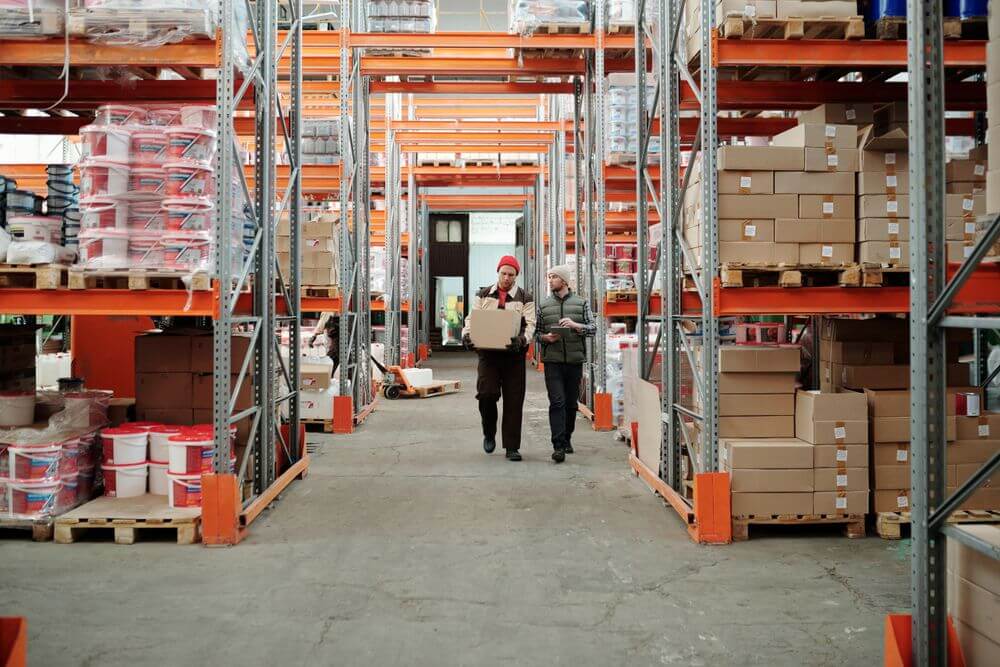
Many successful businesses begin at home. Whether you started by selling products online, creating handmade goods, or operating an e-commerce store from a spare room or garage, there often comes a point when growth makes a home-based set-up impractical. Increasing order volumes, expanding inventory, and rising customer demand can all signal that it is time to move into a warehouse.
While this transition is an exciting milestone, it also introduces new responsibilities and challenges. Careful planning can help ensure a smooth move while minimizing disruption to your operations. By preparing properly, businesses can make the most of their new space and position themselves for continued growth.
Recognize When It’s Time to Move
One of the first steps is determining whether a warehouse is necessary. Many business owners continue operating from home longer than they should, often because they are concerned about the costs and complexity of moving. Common signs that it may be time to upgrade include inventory taking over living spaces, difficulty fulfilling orders efficiently, limited storage capacity, and increased shipping volumes. If business operations are beginning to affect your quality of life or slow down growth, a warehouse may be the logical next step. Making the move at the right time can improve efficiency and create room for expansion.
Choose the Right Warehouse
Not all warehouses are created equal. The ideal location will depend on your business model, product type, customer base, and future plans. Consider factors such as accessibility, transportation links, security, parking availability, and room for future growth. A warehouse that meets your current needs but leaves no space for expansion may quickly become restrictive. It is also important to review lease terms carefully and understand all associated costs before making a commitment.
Plan Your Layout in Advance
One of the biggest advantages of moving into a warehouse is the opportunity to create a more organized and efficient workflow. However, this benefit can be lost if the space is poorly arranged. Before moving inventory, develop a layout that considers storage, packing stations, receiving areas, and dispatch zones. Frequently accessed products should be positioned for easy retrieval, while slower-moving inventory can be stored in less accessible locations.
Take Stock of Your Inventory
A move presents an ideal opportunity to review your inventory. Many businesses accumulate excess stock, discontinued products, or damaged items over time. Conducting a thorough inventory audit before relocating can help reduce unnecessary transportation costs and prevent clutter from being transferred to the new facility. It also provides an opportunity to update inventory records and identify any discrepancies. Starting with an organized inventory system makes warehouse management much easier from day one.
Upgrade Your Systems
Operating from a warehouse often requires more sophisticated systems than a home-based set-up. Inventory management software, barcode scanners, shipping platforms, and warehouse management tools can all improve efficiency. Investing in technology early can help prevent operational issues as order volumes continue to grow. Automation can also reduce manual workloads and improve accuracy throughout the fulfillment process. The right systems create a strong foundation for future expansion.
Coordinate the Move Carefully
Relocating inventory, shelving, equipment, and supplies requires careful coordination. A poorly planned move can disrupt order fulfillment and negatively affect customer service. Develop a detailed moving schedule that outlines what will be moved, when it will be transported, and who will be responsible for each task. Consider how ongoing orders will be managed during the transition period to minimize delays. For businesses moving large quantities of stock, shelving, or equipment, services such as www.shiply.com can help explore transportation options for moving goods between locations efficiently.
Focus on Health and Safety
Warehouses introduce health and safety considerations that may not have been relevant in a home environment. Lifting equipment, shelving systems, vehicle movements, and larger inventories all create potential risks. Ensure that safety procedures are established from the beginning. This may include staff training, proper storage methods, clear walkways, and regular equipment inspections.
Looking Ahead
Moving from a home set-up to a warehouse is a major achievement that reflects the growth and success of your business. While the transition requires careful planning, it also creates opportunities to improve efficiency, increase capacity, and prepare for future expansion.
By choosing the right warehouse, organizing inventory effectively, implementing suitable systems, and coordinating the move carefully, businesses can make the transition with confidence and continue building on their success.