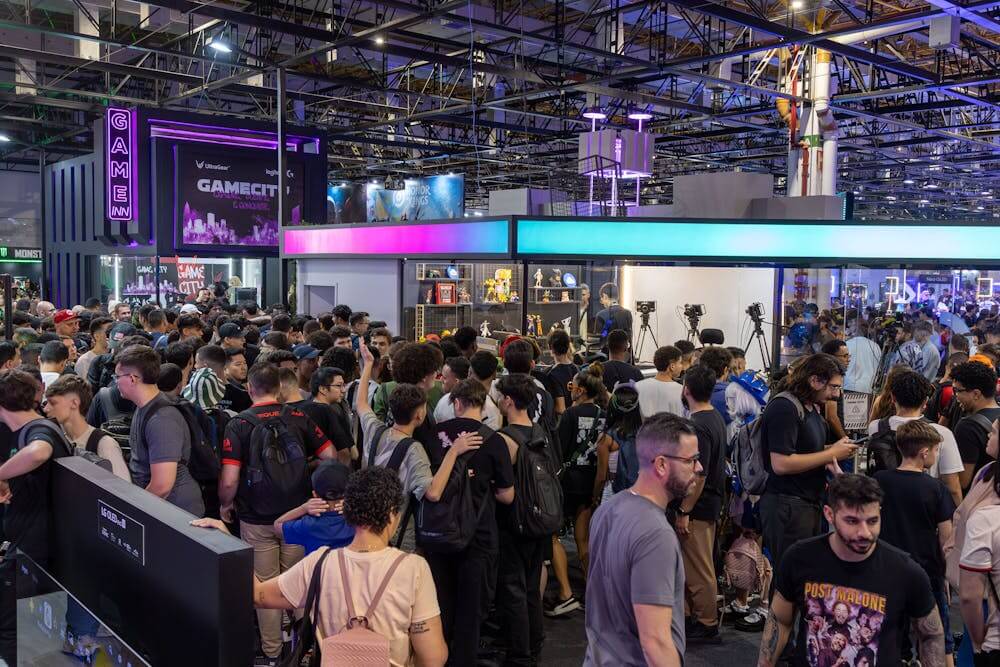
Trade show booths make an impression when they’re on the expo floor, but the challenge is what comes next. Often, companies find their banners, backdrops, lighting, flooring, and product displays take up much more space than they thought they would.
You can’t just throw these things in a closet to fend for themselves or tuck them haphazardly in the corner of your office. Without a plan in place they more likely become clutter, get damaged or even get lost before the next show.
Keeping your booth pieces in order between shows doesn’t need to be a stressor. With a proper approach, you can store everything neatly, keep sensitive and expensive materials safe, and keep your work floor free of clutter. A simple enough system can be what lies between a smooth setup for your next trade show and a mad dash to replace broken or missing parts.
Why Booth Materials Pile Up
Trade show setups include many parts that add value during the event but create challenges once everything is packed away. These items are usually bulky, oddly shaped, and sensitive to damage. Many teams simply place them wherever space is available, which leads to overcrowded offices, lost materials, and unnecessary stress before each new event. Clear systems help prevent this cycle and keep everything easy to find.
Common Oversized Items
Many booth components take up more room than expected. Hard-shell cases, large banners, modular frames, branded tables, and lighting rigs rarely fit neatly into standard office storage. Teams often underestimate how many pieces they use, so equipment quickly becomes scattered.
Quick Q&A Support
Why does storage feel overwhelming?
It usually becomes a problem because teams don’t have a set plan for where items should go, so materials accumulate in random places.
How can teams avoid losing items?
A simple labeled storage system helps ensure everything has a clear home after each event.
Smarter Storage Options
Good storage decisions save time, money, and frustration. Instead of forcing booth pieces into crowded office corners, businesses can use practical storage solutions that keep materials clean, protected, and easy to access. This creates a smoother workflow and reduces the hectic rush that often happens before trade shows.
Organizing for Durability
Choosing storage designed for fragile and oversized materials helps extend the life of booth components. Clear bins, padded cases, and proper shelving prevent damage and make packing easier for the next event.
A More Strategic Workflow
Teams benefit from mapping out a simple storage plan. Keeping an updated inventory list, assigning one person to oversee materials, and using consistent packing methods all make future events run more smoothly. This practical approach helps businesses stay organized even when events are back-to-back.
Storage Questions Teams Often Ask
Trade show materials are expensive, bulky, and essential for making a strong impression, so it’s natural for teams to look for simple answers before choosing how to store everything. Many businesses want to protect their equipment while keeping it accessible for the next event, which is why using Bloomington storage units can be an effective option. Here are a few common questions that come up when companies search for reliable ways to manage booth elements.
What storage option is best for large booth structures?
Most teams prefer clean, secure units that provide enough room for crates, panels, and display walls. A space with climate protection helps prevent cracking, fading, or moisture damage.
How do we keep small accessories from getting lost?
It helps to pack smaller items in labeled containers and store them together in one dedicated spot. This makes setup faster and reduces the chance of misplacing parts right before an event.
Is off-site storage worth the cost?
Teams often find that the reduced clutter, improved organization, and longer equipment lifespan more than justify the expense, especially during heavy event seasons.
Quick Tips for Easier Material Management
Trade show preparation becomes simpler when teams follow a clear routine for packing, storing, and locating booth components. Even small changes make a big difference in how smoothly the next event runs. Here are easy steps that help businesses stay organized and avoid last-minute stress.
- Sort items by category after each event.
- Label cases, bins, and crates clearly.
- Keep an updated inventory list.
- Assign one person to oversee storage.
- Use protective wrapping for delicate pieces.
- Store items in the same order each time.
- Take photos of packed cases for quick reference.
A consistent system gives teams more control over their event materials. It reduces wasted time, prevents damage, and makes every booth setup feel more manageable.
Key takeaway summary: Following a simple, repeatable storage routine keeps trade show materials organized and accessible. Clear labels, consistent packing habits, and a designated storage coordinator help teams reduce stress while extending the life of valuable booth components.
Real Experiences From Event Teams
Many companies face the same challenge after every trade show: bulky booth elements that take up valuable office space. One marketing team shared how they struggled for years with crowded hallways and damaged signs because everything was stored wherever space happened to be available.
The turning point came when they created a simple storage system with dedicated categories, protective materials, and a consistent packing routine. Within one season, their setup time decreased, repairs dropped noticeably, and their team felt far more organized during busy event periods.
A Practical Example
A medium sized software company used to store banners, light boxes, and modular walls in an unused meeting room. As time went on, things got bent, screws went missing, and employees forgot what went with which version of a booth.
After switching to a more organized approach, they report far cleaner preparation, less replacement cost, and much less confusion among employees. What struck them most about the Lean approach is how frequent small-modifications can create substantial improvements, without needing costly tools or planning.
Common Mistakes to Avoid:
Teams lose pieces in part by mixing items from different booth sets, “forgetting” to wrap things in protective padding, or not labeling items. Many forget to double check their inventory after every event, leading to desperate attempts to recall what must be in place later.
Leaving materials in areas of the office where they are likely to attract heavy traffic increases the chance they will be damaged. Crowding containers or stacking items haphazardly also shortens the lifespan of displays.
A Clear Step Forward for Better Event Prep
Maintaining booth materials with care supports smoother trade show experiences and reduces long-term costs. Adopting a routine for packing, reviewing, and storing items makes future events easier and less stressful for the entire team.
Using the same process repeatedly builds confidence and prevents unnecessary mistakes. Companies that organize their trade show booth elements thoughtfully are better prepared for growth, smoother event cycles, and more professional presentations. When teams pay consistent attention to their trade show booth elements, they create a more reliable system that supports every future event.