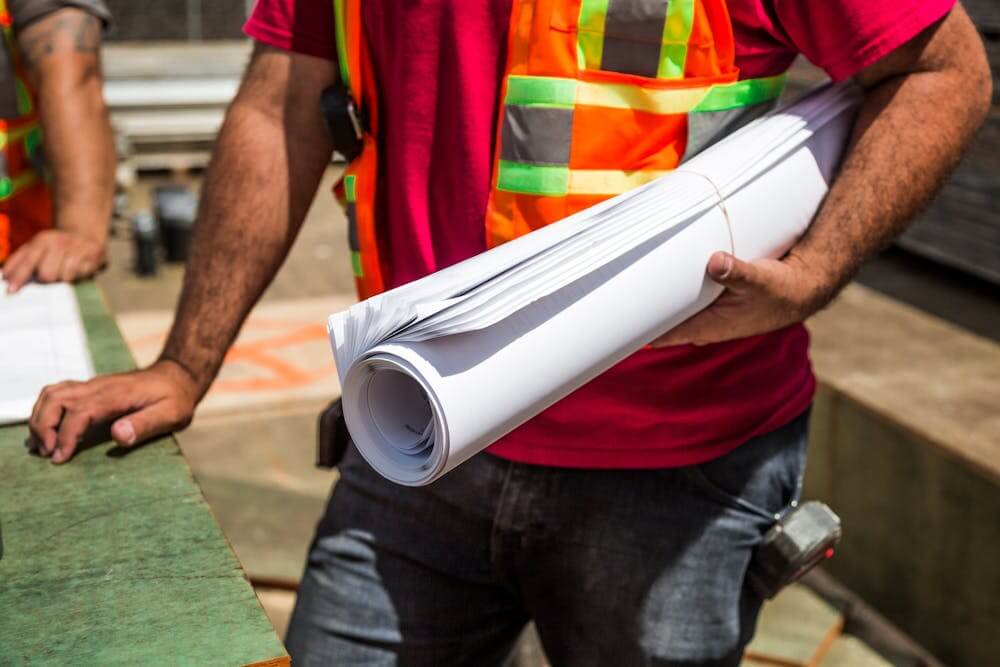
Construction has always been a hands-on industry, but the way people enter it, train for it, and move up is shifting in real time. Labor shortages are real, project timelines are tighter, and safety expectations are higher than they were even a decade ago. At the same time, younger workers are coming in with different assumptions about flexibility, credentials, and long-term growth. The result is a workforce that looks familiar on the surface but operates very differently once you get past the hard hats and boots.
What stands out right now is not a single trend or tool, but a quiet reworking of how construction careers are built. Training is more modular, advancement is more credential-driven, and the definition of experience has widened. You still need time in the field, but you also need proof that you understand modern safety standards, materials, and project coordination. This is not about softening the industry. It is about keeping it functional in a market that does not slow down for anyone.
Safety Credentials Are Becoming Career Currency
Safety has always mattered, but the expectations around it have sharpened. Owners, insurers, and municipalities want documented proof that crews know what they are doing before a shovel hits the ground. That has pushed certifications out of the optional category and into the center of hiring and promotion decisions.
What is different now is access. Formal safety credentials no longer require weeks off work or travel to a training center across the state. Online programs have filled that gap, and they are being taken seriously by employers who care more about competence than format. For many workers, getting their CHST certification online is easy and a must here, because it signals readiness for leadership roles without pulling them off the jobsite for extended periods. That matters in an industry where downtime costs real money.
These credentials also level the playing field. A worker with solid field experience but no formal degree can still move into supervisory roles if they can show mastery of safety systems and compliance. That shift has opened doors for people who might have stalled out ten years ago, not because they lacked skill, but because they lacked paperwork.
Technology Is Quietly Redefining Experience
Construction technology rarely gets the spotlight, but it has changed daily work in ways that add up. Digital plan sets, scheduling software, and mobile inspection tools are now part of the baseline. Experience is no longer measured only by years worked, but by how well someone can operate inside these systems.
This does not mean the industry has gone fully digital. It means that competence now includes knowing how to document work properly, communicate changes clearly, and catch issues before they become expensive mistakes. Younger workers often adapt quickly to this environment, while seasoned professionals bring judgment and pattern recognition that software cannot replace. The best crews blend both.
The challenge for employers is training without overwhelming. The tools are only useful if they actually reduce friction. When implemented well, they help crews spend less time chasing information and more time building. When implemented poorly, they create frustration and resistance. The difference usually comes down to whether leadership understands the workflow on the ground.
Material Choices Are Driving New Skill Sets
Materials shape how projects are staffed and scheduled, and recent years have brought more variation than usual. Prefabrication, advanced composites, and hybrid systems all demand different handling and coordination. Workers are being asked to understand not just how to install materials, but how those materials behave over time.
This is especially true with steel buildings, which require precision in sequencing and a clear understanding of load paths and tolerances. Crews working on these structures need tighter coordination between trades and less room for improvisation. That pushes training toward planning and communication, not just physical execution.
As material systems become more engineered, the margin for error narrows. That does not eliminate the need for skilled labor. It raises the bar for what skill looks like. The worker who understands both the physical task and the logic behind it becomes far more valuable, especially on complex commercial projects.
Leadership Is Being Built Earlier Than Before
One noticeable shift is how early leadership potential is identified. In the past, supervisory roles often came after decades in the field. Today, companies facing labor shortages cannot afford to wait that long. They are looking for people who can lead crews, manage safety, and communicate with project managers sooner.
This does not mean rushing people who are unprepared. It means creating clearer pathways. Certifications, mentorship, and incremental responsibility are being used to test and develop leadership without throwing someone into the deep end. Workers who show reliability and judgment are given chances to grow, sometimes within just a few years.
The upside is retention. When people see a future beyond repetitive tasks, they are more likely to stay. That stability matters to companies trying to maintain consistent crews in a competitive market.
The Jobsite Is Still Physical, But Careers Are More Flexible
Construction will always be demanding work. That has not changed. What has changed is the range of roles available to people who start in the field. Safety managers, project coordinators, estimators, and compliance specialists often come from hands-on backgrounds. Their credibility comes from having done the work themselves.
This flexibility makes the industry more resilient. Workers can shift roles as their bodies age or their interests change, without leaving construction altogether. Employers benefit from institutional knowledge that stays in-house instead of walking out the door.
None of this happens by accident. It requires investment in training, respect for experience, and a willingness to adapt without losing the core identity of the work. Construction remains practical, physical, and grounded. It is just more intentional about how people move through it.
Where the Industry Is Headed Next
The construction workforce is not being reinvented. It is being adjusted, piece by piece, to meet modern demands. Credentials matter more, technology is woven into daily work, and leadership development starts earlier. At the same time, the industry still values reliability, skill, and the ability to solve problems under pressure.
This is not a break from the past. It is an extension of it, shaped by necessity and opportunity. The jobsite may look the same from the street, but the careers built on it are broader, more durable, and better equipped for what comes next.