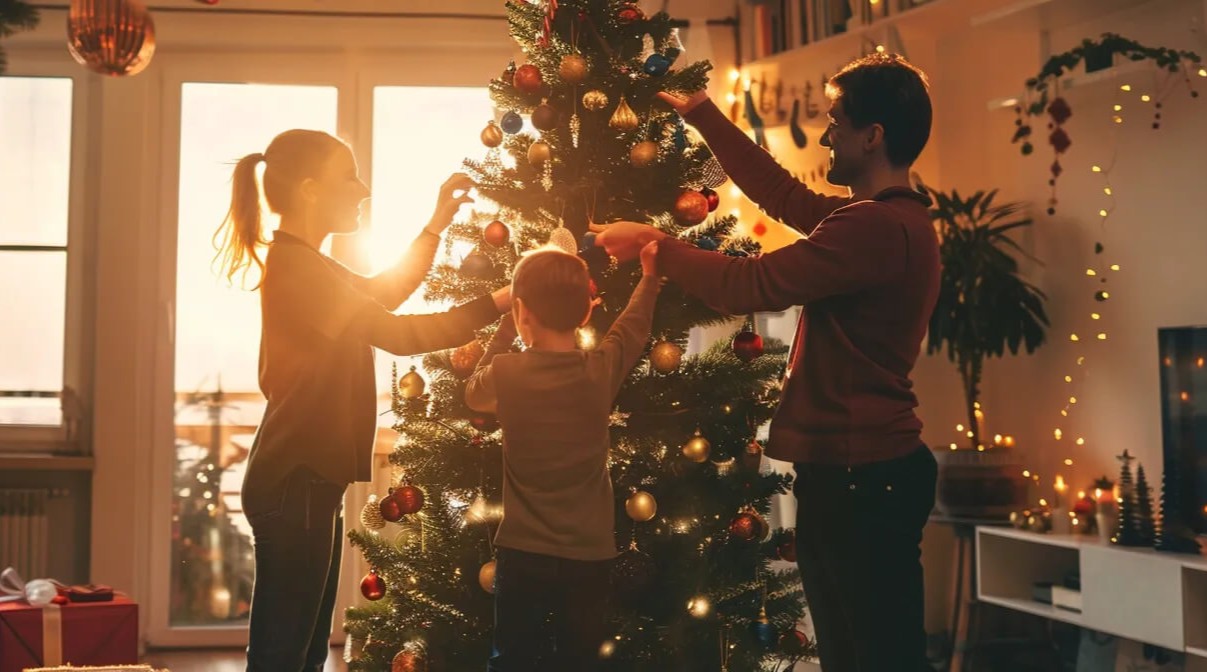
As the holiday season approaches, households around the globe are faced with the choice of selecting a Christmas tree.
In recent years, the debate has intensified between traditional real trees and artificial alternatives. With a growing awareness of environmental concerns, many are taking a closer look at their holiday choices.
In this article, we’ll explore the eco-friendly benefits of artificial Christmas trees and compare them to their real counterparts. Keep reading to discover why an artificial Christmas tree might be the right choice for your sustainable holiday celebrations.
The Environmental Impact of Real vs. Artificial Christmas Trees
The holiday tradition of decorating a Christmas tree has a significant environmental impact. Harvesting real trees entails cutting down a living plant, which can contribute to deforestation and habitat destruction if not managed sustainably. Moreover, the transportation of real trees to various retail locations releases carbon dioxide emissions, adding to the overall carbon footprint of natural trees.
On the contrary, artificial trees, although manufactured from plastics and metals, have their own environmental considerations. Critics argue that the production processes behind these trees often involve emissions and energy usage. However, the key difference lies in the usage period of artificial trees; their longevity can make them more environmentally friendly over time.
In contrast, artificial trees can be used year after year, avoiding the aforementioned problems of deforestation, transportation emissions, and waste. With proper care, one artificial Christmas tree can replace the need for multiple real trees over its lifespan, potentially minimizing the environmental impact per holiday season.
Artificial Christmas Trees: A Sustainable Holiday Choice
When it comes to sustainability, artificial Christmas trees may offer a more environmentally friendly alternative to real trees. The recurring use of artificial trees over many years reduces the demand for the annual harvesting of live trees. This reduces the stress on Christmas tree farms and enables more sustainable forestry practices, allowing trees to mature for longer and contribute to the ecosystem.
Additionally, for many families, the tradition of selecting a tree is an integral part of their holiday experience. Artificial trees provide the festive atmosphere without the yearly ritual that could involve significant driving and related carbon emissions. They offer a convenient and eco-friendly solution, especially for those living in urban areas where tree lots might be miles away.
Artificial trees also help reduce the use of pesticides and fertilizers, which are often applied in Christmas tree farming. The avoidance of these chemicals means less runoff into natural waterways, lowering the potential for pollution and harm to aquatic ecosystems. This aspect is often overlooked but is an essential factor in environmental conservation.
Lastly, the option to reuse an artificial tree aligns with the sustainable practice of reducing, reusing, and recycling. While they are not typically recyclable at the end of their life due to the mix of materials, their extended usage period can outweigh this drawback. Responsible disposal at the end of their life span is necessary and can involve exploring ways to repurpose or donate the tree.
Longevity and Reusability: The Eco-Friendly Advantage of Artificial Trees

Artificial Christmas trees are appealing for their longevity, often lasting a decade or more with proper care. This durability plays a key role in their environmental impact. Unlike real trees, which follow a ‘take-make-dispose’ model, artificial trees promote a circular economy by encouraging reuse and minimizing waste.
Investing in an artificial tree means families avoid the annual purchase of real trees, reducing both environmental impact and long-term costs. Moreover, artificial trees eliminate the disposal issues associated with real trees, which often end up in landfills or are burned. This makes them a sustainable choice that preserves the holiday spirit without ecological harm.
Reducing Your Carbon Footprint With an Artificial Christmas Tree
Choosing an artificial Christmas tree can help lower your carbon footprint by eliminating the emissions from driving to get a real tree, its short carbon sequestering period, and its disposal. Artificial trees also conserve water, reducing the significant amount of water needed to maintain tree lots.
As climate change drives the need for sustainable products, artificial trees provide a durable option that lasts for years. This longevity results in less frequent manufacturing and transportation, leading to lower greenhouse gas emissions over time.
The shift to an artificial Christmas tree can significantly contribute to an eco-friendly and sustainable holiday tradition. By reducing the demand on natural resources, extending product life cycles, and lowering carbon emissions, artificial trees offer an opportunity to celebrate responsibly. With proper selection and care, they provide a viable alternative that aligns with the growing importance of environmental consciousness in every aspect of our lives.