Operations across various industries often face challenges related to efficiency, mobility, and adaptability. As a result, businesses must find solutions that respond to fluctuating demands while maintaining safety and reliability.
Rigid wall shelters are emerging as a transformative answer to these challenges. They combine structural strength with operational flexibility, allowing teams to establish semi-permanent facilities. And these structures meet complex operational needs without compromising quality or security. As a result, organizations are changing the way they plan and execute missions.
Let’s explore how these structures reshape modern business operations.
It Improves Workflow
One of the most compelling qualities of rigid wall shelters lies in their ability to streamline operations. They can be deployed quickly while maintaining a stable internal environment. This is particularly valuable for organizations that need to set up functional spaces in remote or harsh environments. Their ready-to-use design minimizes downtime, letting personnel focus on core tasks instead of construction or repair.
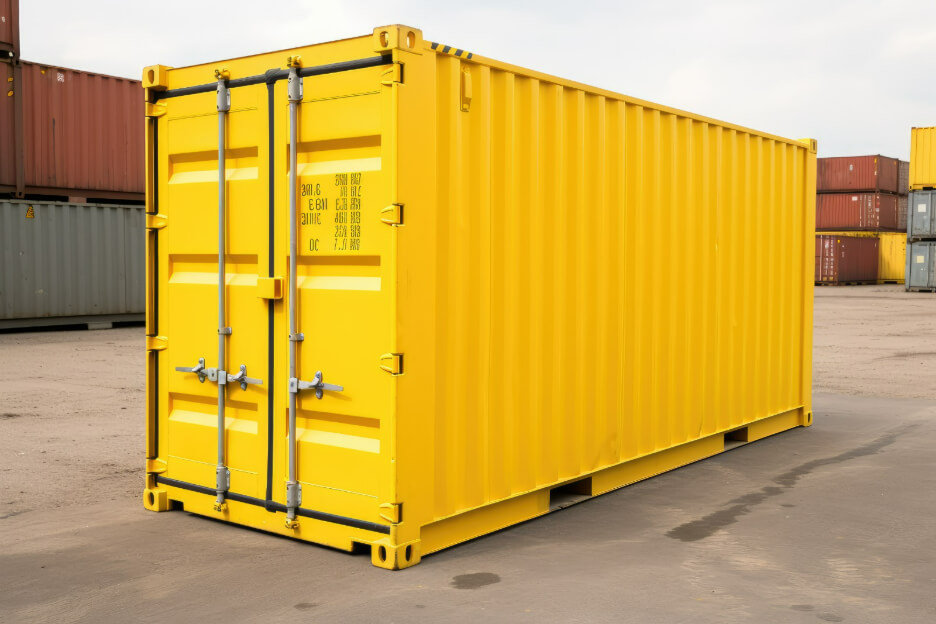
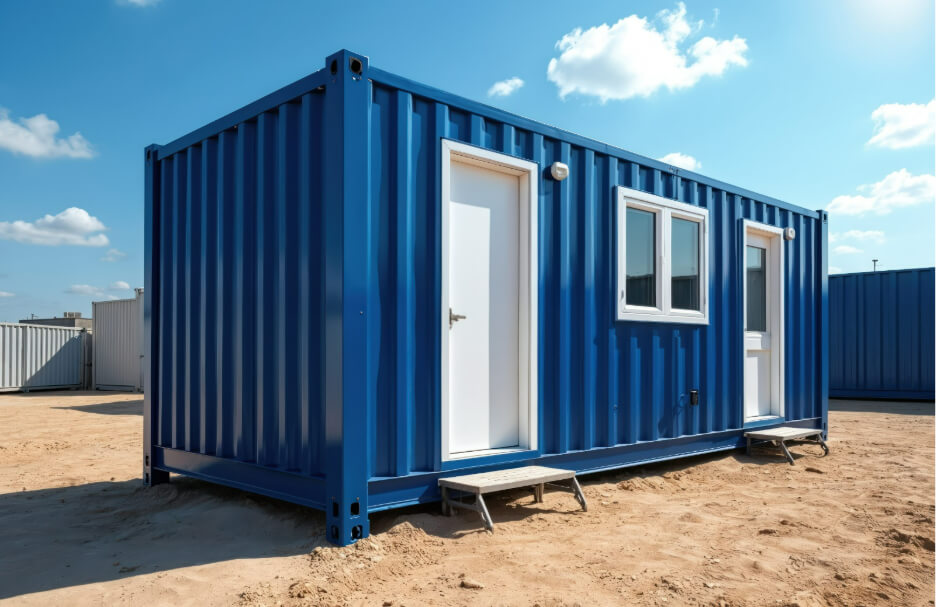
Beyond rapid deployment, these shelters often incorporate modular layouts and preconfigured systems. A containerized facility, for example, represents one approach within this category. It offers standardized dimensions, integrated utilities, and simplified transport. Electrical wiring, climate control, and storage solutions can be integrated during manufacturing, eliminating the need for complex field installations.
By reducing setup complexity, businesses like yours can save both time and labor costs. This makes operational efficiency a tangible advantage rather than just a theoretical benefit.
It Ensures Safety and Durability
Durability is a defining characteristic of rigid wall shelters. They’re built from high-strength materials designed to withstand extreme weather conditions, physical impacts, and long-term use. Unlike fabric-based alternatives, these shelters resist tears, leaks, and collapse, providing a reliable environment for sensitive operations. This structural integrity is critical for industries such as defense, healthcare, or energy production, where failure isn’t an option and operational continuity matters.
Safety extends beyond physical durability. Rigid wall shelters often meet stringent building and safety codes, including fire resistance, insulation standards, and secure entry systems. This level of compliance helps ensure operations continue without disruption from regulatory concerns. Staff can work within a controlled, secure environment, which enhances productivity and reduces the likelihood of accidents or operational hazards.
It Facilitates Mobility and Flexibility
Adaptability is another area where rigid wall structures shine. These shelters are designed for redeployment, allowing organizations to shift operations as needs evolve. Unlike traditional buildings that require extensive planning and investment to relocate, rigid wall shelters can be disassembled and reassembled with minimal disruption. This level of flexibility is vital for industries that operate across multiple sites or in disaster-prone regions.
Mobility also supports rapid response when conditions change. During humanitarian crises or natural disasters, rigid wall buildings can be positioned quickly to support medical services, command operations, or temporary housing. Their ability to remain fully functional during relocation helps ensure continuity, even when timelines and locations are uncertain.
It Supports Specialized Operational Needs
Rigid wall shelters can be tailored to meet highly specialized operational requirements. From climate-controlled laboratories to secure storage for sensitive equipment, the modular nature of these structures allows for extensive customization. Companies can configure layouts, electrical systems, and insulation according to specific mission requirements. This level of adaptability is difficult to achieve with traditional buildings.
Customization extends to technological integration as well. Many shelters can incorporate data networks, communication systems, and environmental controls directly into the walls and panels. This allows teams to maintain high levels of operational readiness without relying on makeshift setups.
It Reduces Long-Term Operational Costs
While the upfront investment in rigid wall shelters may be higher than traditional alternatives, the long-term cost benefits are substantial. Maintenance costs are significantly lower due to the durable materials and built-in systems that reduce wear and tear. The lifespan of these structures often surpasses traditional tent systems, offering a better return on investment over time.
Energy efficiency is another factor in cost reduction. Many rigid wall shelters come with advanced insulation and energy-saving features that minimize heating, cooling, and electricity consumption. This not only reduces operational expenses but also supports sustainability initiatives. For organizations managing multiple sites or long-term deployments, these savings accumulate quickly, making rigid wall shelters a financially sound solution.
It Streamlines Logistics and Supply Chains
Rigid wall shelters also strengthen logistics and supply chain performance by creating consistency and predictability. Their modular design supports standardized transport methods, making shipment planning and multi-site coordination more efficient. Components can be moved using common equipment, reducing dependence on specialized tools or highly skilled labor.
Once installed, these shelters form organized, dependable environments for inventory management, secure storage, and workflow coordination. A stable structure helps protect materials and equipment, reducing losses caused by damage or delays. For industries such as construction, mining, or defense, this reliability supports steady supply chain performance, even in challenging or remote locations.
Takeaway
Rigid wall shelters stand out as a practical response to the growing need for adaptable yet reliable operational spaces. They bridge the gap between permanent construction and short-term solutions by offering strength and efficiency in a single structure.
Organizations today face shifting priorities, unpredictable environments, and tighter control over resources. In that setting, these shelters provide a way to stay prepared without committing to fixed infrastructure too early. Their continued adoption reflects a broader move toward smarter, more resilient operations. This shift enables everyone to evolve their capabilities while maintaining stability and consistent performance. Be sure to invest in a reputable supplier to get quality products.