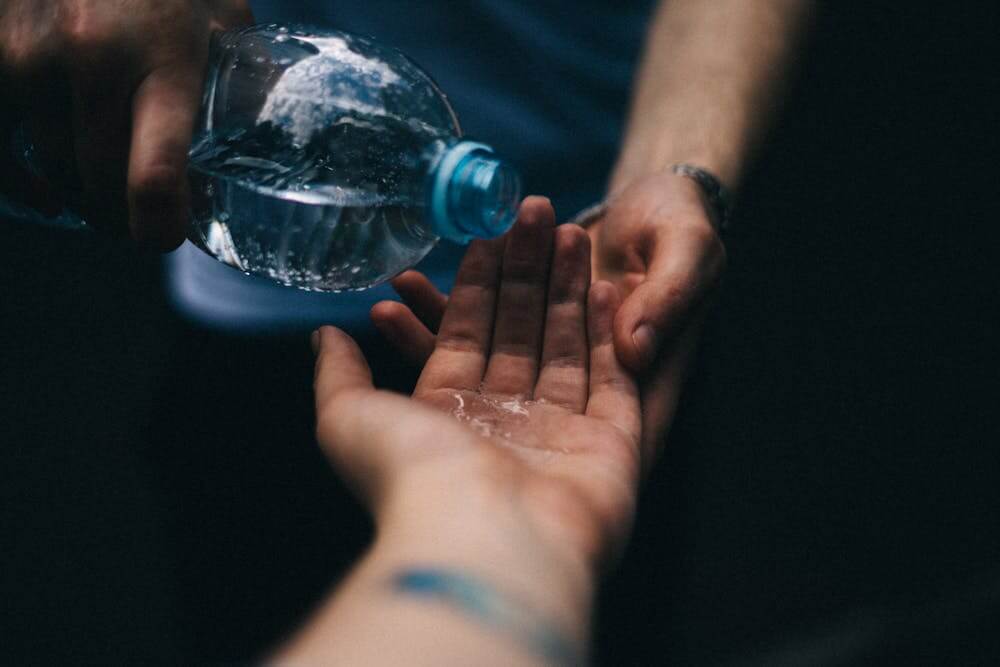
Millions of people around the world struggle to access safe drinking water every day. Contaminated water causes serious diseases like cholera, dysentery, and typhoid that threaten entire communities. Water charities help communities maintain clean water systems through a combination of infrastructure development, local training programs, and regular maintenance support that keeps water sources safe for years to come.
These organizations work across multiple countries to address different aspects of the water crisis. They drill wells, install pumps, build sanitation facilities, and repair broken water systems. However, the real impact goes beyond just construction projects.
The most successful water programs focus on long-term solutions rather than quick fixes. They partner with local experts who understand the unique challenges each community faces. They also teach community members how to manage and repair their own water systems so the benefits last for generations.
Key Ways Water Charities Help Sustain Clean Water Systems
Water charities support long-term access to clean water through infrastructure projects, community education programs, and regular quality testing. These three approaches work together to create systems that communities can maintain for years to come.
Infrastructure Development and Maintenance
Water charities build wells, water pumps, filtration systems, and distribution networks that provide clean water to communities. They select equipment based on local conditions and available resources. For example, some areas receive hand pumps while others get solar-powered systems that require less manual effort.
The construction phase involves local workers who learn to install and repair the equipment. This approach creates jobs and transfers technical knowledge to community members. Many charities source materials locally to reduce costs and make future repairs easier.
Maintenance programs keep water systems functional after installation. Charities establish schedules for equipment checks, filter replacements, and pump repairs. They often set up local committees that collect small fees from users to pay for spare parts and repairs. This model allows Christian water charity donations to support both immediate needs and long-term sustainability. Some organizations return to project sites annually to assess equipment condition and provide technical support.
Capacity Building Through Community Training
Local residents receive hands-on training to operate and repair water systems. Training programs teach basic plumbing, pump maintenance, water quality testing, and record keeping. Participants learn to identify common problems like leaks, contamination risks, and mechanical failures before they become serious.
Charities select community members to serve as water technicians or maintenance workers. These individuals receive advanced training and tools to handle repairs independently. They become the first line of defense against system breakdowns.
Hygiene education accompanies technical training. Families learn proper handwashing techniques, safe water storage methods, and disease prevention strategies. Schools receive educational materials that teach children about water conservation and sanitation. Community health workers share information about waterborne illnesses and how to avoid them. This knowledge reduces disease rates and improves overall health outcomes.
Monitoring and Evaluation of Water Quality
Regular water testing identifies bacteria, chemicals, and other contaminants that make water unsafe. Charities provide testing kits and train local teams to collect samples and interpret results. Tests occur monthly or quarterly, depending on risk factors in each area.
Data collection systems track water system performance over time. Communities record pump usage, repair history, user satisfaction, and health indicators. This information helps identify problems early and measure project success.
Field staff visit communities to inspect equipment and review maintenance records. They check water flow rates, examine storage tanks for cracks or contamination, and verify that safety protocols are followed. These visits also provide opportunities to address concerns and offer additional training. Some organizations use mobile technology to receive real-time reports from remote locations, which allows them to respond quickly to emergencies or equipment failures.
Long-Term Impact and Sustainability Strategies
Water charities focus on two main approaches to keep clean water systems functional for years: they help communities take charge of their own water resources, and they work with local groups who understand the unique needs of each area.
Promoting Community Ownership
Communities need to feel responsible for their water systems to keep them functional over time. Water charities train local residents to manage, repair, and maintain water infrastructure themselves. This training includes basic plumbing skills, how to identify common problems, and when to seek professional help.
Local water committees form the backbone of this approach. These groups collect small fees from households to fund repairs and replacement parts. The fees stay affordable while still building a reserve fund for future needs.
Charities also teach communities about water conservation and hygiene practices. Residents learn to protect water sources from contamination and reduce waste. This education spreads through schools, community meetings, and door-to-door visits.
The ownership model changes how communities view their water systems. Instead of waiting for outside help, residents address issues quickly. They schedule regular maintenance checks and keep detailed records of repairs. This hands-on involvement means water systems continue to serve communities long after charities complete their initial projects.
Partnerships with Local Stakeholders
Water charities partner with local organizations that already work in specific regions. These partners bring deep knowledge of local customs, languages, and challenges that outside groups might miss. They understand which solutions work best in their communities.
Local organizations stay in place permanently, unlike international charities that move between projects. They provide continuous support and can respond quickly to problems. These groups also have established trust with community members, which makes it easier to introduce new water technologies.
Government agencies play a key role in these partnerships. They provide permits, connect projects to larger water systems, and help with legal issues. Local businesses supply materials and equipment at better prices than international shipping would allow.
Smart sensors and monitoring systems help partners track water quality and flow in real time. This technology alerts maintenance teams to problems before systems fail completely. Partners use this data to improve future projects and share best practices across regions.
Conclusion
Water charities make a real difference by helping communities access and maintain clean water systems over time. These organizations provide more than just wells and filters. They teach local people how to repair equipment, test water quality, and manage resources on their own.
The results go beyond health improvements. Children attend school more often because they don’t spend hours collecting water. Families grow healthier food and earn better incomes. Communities gain the skills and tools they need to keep their water systems running for years to come.