Running a business that fluctuates with the weather requires a fair amount of flexibility. You might find that your main building feels cramped during a summer rush, or perhaps you need a way to keep operations moving when the rain starts. An outdoor canopy serves as a functional extension of your workspace.
It isn’t just about adding a roof; it’s about managing your floor plan and your customer flow without committing to a permanent construction project. These structures allow you to adapt to the environment as it changes throughout the year.
Choosing the Right Setup for Longevity
When you decide to invest in a structure, you have to look at the materials. A standard party tent might work for a single afternoon, but business needs usually require something more substantial. Many owners look for galvanized steel components because they resist rust and hold up against consistent use. If you are setting up on a parking lot or a sidewalk, you’ll likely need concrete anchors to keep the unit from shifting.
For those who choose to buy a Jubilee canopy or a similar high-grade event structure, the benefit lies in the engineering. These setups are built to handle more than just a light breeze; they provide a stable environment for customers or inventory, bridging the gap between a temporary tent and a fixed building.
Managing the Elements and Customer Comfort
The primary job of any shelter is protection from the sun and rain. High-quality UV protection is a necessity if you want to keep people comfortable for more than a few minutes. Without adequate sun protection, an outdoor area becomes unusable by midday. To ensure the space remains comfortable, look for a ventilation design that allows hot air to escape from the top. Using waterproof materials ensures that a sudden downpour doesn’t ruin your equipment or force your guests to run for cover.
Expanding Your Operational Footprint
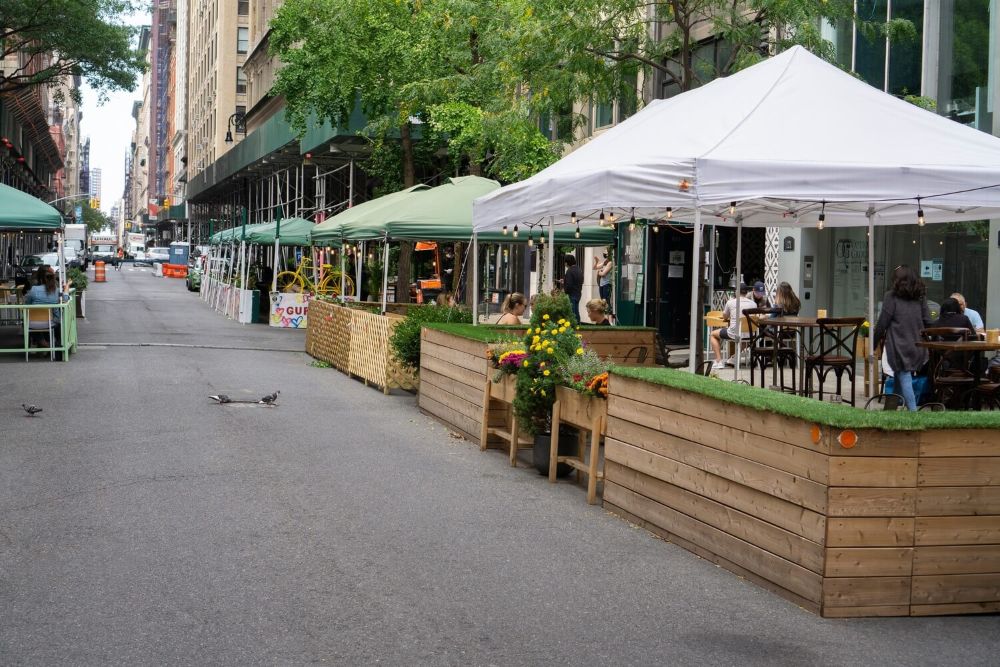
Business owners often use these shelters to create a dedicated area for outdoor dining. This is a practical way to increase seating capacity without a massive renovation. You can easily fit a set of patio furniture under a mid-sized canopy. It keeps the furniture dry and reduces the wear and tear caused by direct exposure to the sky.
Beyond food service, these spaces work well as a temporary storage shed for seasonal inventory or as a staging area for deliveries. Unlike a solid roof addition, a canopy can be moved if you realize the flow of your property would work better with the entrance on the other side.
Portability for Off-Site Requirements
Sometimes your business needs to travel. If you participate in a trade show or a local market, you need gear that packs down efficiently. A wheeled bag makes a huge difference when you are moving heavy fabric and frames from a van to a booth space. A sturdier aluminum frame provides a good balance between being lightweight enough to carry and strong enough to stay upright. For beach-side events or sandy venues, sand anchors are the best tool to prevent the wind from lifting the legs.
Enhancing Professionalism and Visibility
A well-placed structure naturally draws the eye. It helps with brand visibility because it acts as a landmark on your property. People tend to gravitate toward defined spaces. Instead of having a disorganized group of people standing in a lot, outdoor shelters create a clear destination.
This organization makes your business look more professional and intentional. It also shows that you care about the customer experience by providing a shaded place to wait or browse. You don’t need fancy decorations; a clean, sturdy canopy speaks for itself.
Considering the Lifecycle of Your Equipment
Every purchase has an environmental impact, so it makes sense to choose a product that lasts for several years rather than one that ends up in a landfill after one season. Maintaining your canopy involves checking the tension of the fabric and ensuring the legs are level.
This prevents water from pooling on the roof. Keeping the frame clean and storing it dry will extend its life significantly. By choosing quality over the cheapest possible option, you save money in the long run and reduce waste. It’s a straightforward approach to managing your business assets.
Conclusion
Adapting to seasonal changes doesn’t have to be a complicated or expensive ordeal. An outdoor canopy provides the extra square footage you need to keep your business running smoothly, regardless of what the forecast says. Whether you are protecting diners from the sun, storing extra stock, or setting up a professional booth at a community event, these structures offer a practical solution.
By focusing on durable materials and proper anchoring, you ensure that your investment stays useful for many seasons to come. It is a simple, effective way to make your property more versatile and your business more resilient.