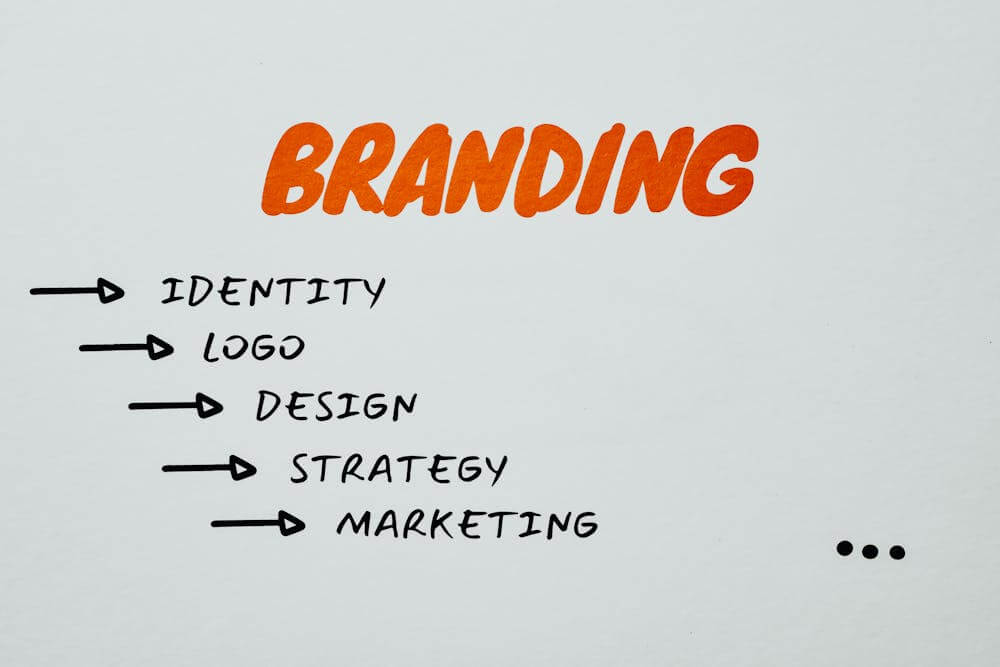
In business marketing, a brand is more than a logo or a catchy slogan. It’s the way a company’s values connect with real people. At its core, effective branding shapes how customers feel, how they remember a business, and ultimately how they spend.
In an environment where attention is short and choices are endless, smart brands find their footing not by shouting louder but by building trust, clarity, and financial performance.
Why Strong Brands Outperform The Rest
Brands that stick in people’s minds tend to pull on much deeper threads than just product features. They create familiarity and meaning. That matters because when someone is deciding between two similar products, a brand that resonates emotionally and logically gets the nod.
That preference translates into measurable gains for a company through stronger sales, repeat purchases, and even pricing power. Research shows that brand preference can boost profits and cash flow because financial decision makers begin to see marketing as an investment, not a cost. These effects compound over time when customer loyalty becomes predictable revenue growth.
Marketers have long known that emotional connections matter, but tying those connections back to financial outcomes demands a clear, honest way to prove value. Brands that embrace accountability and financial clarity not only attract customers, but they earn the trust of executives and investors who often want to know exactly how marketing affects the bottom line.
Embedding Financial Knowledge Into Marketing Decision Making
Understanding markets and optics is only half the job. The other half is understanding money. Marketers who grasp the importance of financial knowledge are better equipped to recommend strategies that drive real business outcomes. Financial awareness enables teams to evaluate the return on investment for campaigns, make smarter budget decisions, and communicate confidently with other parts of the company, including finance and leadership. Even basic financial fluency helps marketers champion approaches that balance brand building with performance goals, leading to more sustainable growth.
This doesn’t mean every marketer needs to be an accountant. It does mean marketing leaders should know how to read key financial statements, grasp profitability concepts, and speak the language of revenue impact. When brand strategy and financial strategy align, it becomes easier to defend long-term investments in brand equity while optimizing shorter-term performance metrics.
Making Measurement Meaningful With Real Insight
One of the biggest challenges in marketing is proving value. Too often, teams rely on shallow metrics that show clicks or impressions without connecting them to revenue. That’s where partners with deep analytical chops can help. For example, a reputable marketing science company that takes a human-led approach to advanced measurement brings real measurement discipline to the table. By building models that reflect actual human behavior and business outcomes, such partners reveal not just what happened, but what actions moved the business financially.
This kind of measurement changes conversations. Rather than debating whether an ad was “creative enough,” teams can talk about whether to spend increased profit margins. Instead of guessing which channels matter, they can test and validate. Measurement should invite curiosity and confidence, not confusion and guesswork. Bringing human intelligence into analytical frameworks also prevents teams from blindly following trends or platform signals that may not reflect what really moves audiences.
Brand Consistency In A Fragmented World
Branding today stretches across screens, environments, formats, and contexts. A customer might first meet a brand on a streaming service, then interact on mobile, and finally decide to buy in a physical store. Consistency matters because messages that feel scattered or contradictory weaken trust. Companies need a coherent voice, visuals, and values that feel genuine across every touchpoint.
That means listening to customers, respecting their time and attention, and making sure each interaction feels natural rather than forced. Brands that treat their audiences as human beings, not targets, build momentum. Authenticity signals that a brand stands for something worth remembering, and that kind of consistency strengthens both emotional connection and financial performance.
The Long View Brand Builders Need
Brand success doesn’t happen overnight. Many marketers focus on short-term wins because they are easier to track and often tied to quarterly goals. But the brands that create lasting value balance short-term optimization with investments that pay off over years, not months. This requires patience, clarity, and a willingness to defend thoughtful strategies that sometimes go beyond the immediate quarter.
That approach acknowledges that brand value sits in the minds and wallets of customers. When marketers ground their work in a mix of creativity, consumer understanding, and financial sense, they set the stage for sustained relevance. That blend helps teams innovate rather than imitate and build confidence across the organization that marketing isn’t a nice-to-have, it’s a force for growth.
What Leaders Should Take From This
The companies that thrive after disruptions, economic shifts, and changing customer preferences are rarely the ones chasing the latest fad. They are the brands that understand who they are, what they stand for, and how they show up in meaningful ways for their customers.
They also understand that marketing is both a creative and a financial engine. When you merge compelling brand narratives with true measurement and financial understanding, you build something that lasts.
Branding With Both Heart And Head Drives Success
Branding works best when it does two things at once. It shapes how people feel about a company while also steering behavior in ways that deliver measurable business outcomes.
Marketing teams that embrace storytelling, bring financial truths to the table, and partner with analytic experts will find they make better decisions and justify investments more easily. Brands with purpose and proof stand out, make money, and stay in the game longer.