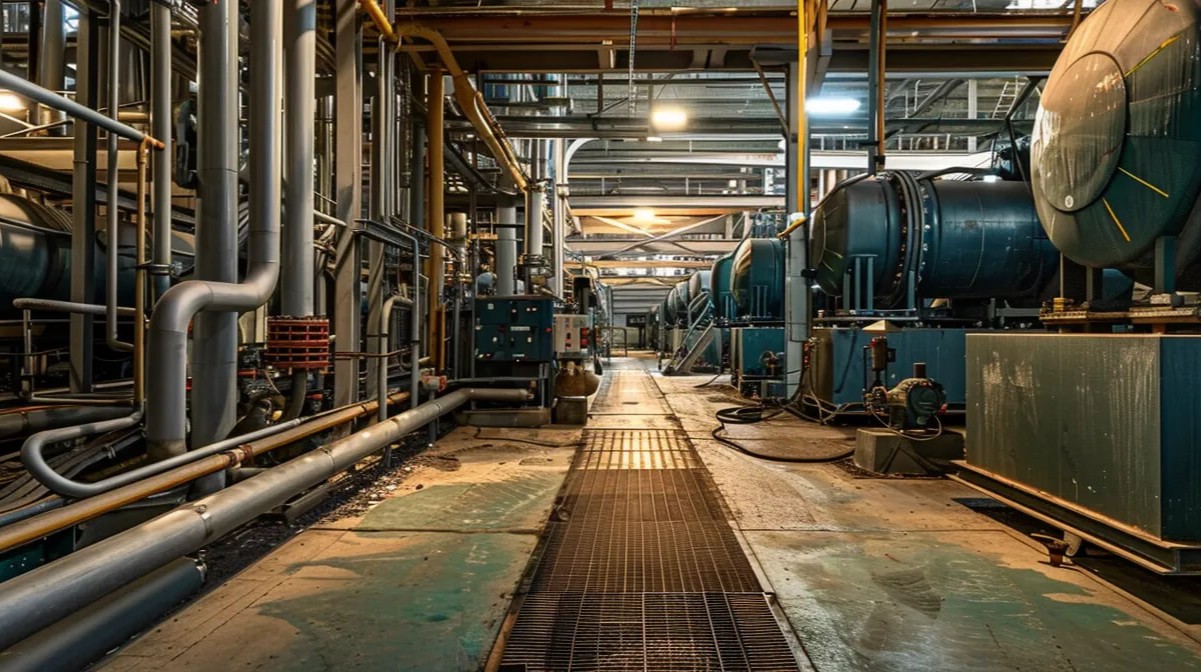
Industrial processes often require precise temperature control to maintain efficiency and product quality. Glycol cooling systems have emerged as an essential component in meeting these stringent requirements.
Leveraging the unique properties of glycol-based coolants, these systems offer a range of benefits, including improved energy efficiency and enhanced safety.
In exploring their advantages, it’s clear that they are more than just a cooling solution; they’re an investment in the longevity and productivity of industrial operations. Continue reading to learn how these systems can transform your industrial cooling requirements.
Understanding Glycol Cooling Systems in Industrial Applications
Glycol cooling systems are essential in a wide range of industries, providing vital temperature control in environments where stability is crucial. They work by circulating a glycol-water mixture through a closed-loop system, removing excess heat from industrial machinery or processes. The mixture typically consists of either ethylene or propylene glycol, each with its own set of benefits and applications.
The key to the efficiency of Glycol cooling systems lies in the properties of glycol itself. It has a lower freezing point and a higher boiling point than water, making it an ideal heat-transfer medium in varying climates and industrial settings. Moreover, it’s less corrosive and can protect equipment from freezing or overheating.
Glycol systems can be customized to meet the unique demands of various industrial operations. Whether it’s for large-scale food production, pharmaceutical manufacturing, or chemical processing, these systems ensure that precise temperatures are maintained throughout the production process. This level of control is crucial for maintaining product consistency and adhering to stringent industry regulations.
Additionally, modern glycol cooling systems often feature advanced features, including digital controls and remote monitoring capabilities. These innovations enhance the ability to manage temperatures precisely, ensuring optimal performance and responsiveness to any changes in industrial processes.
Enhanced Temperature Regulation with Glycol-Based Cooling
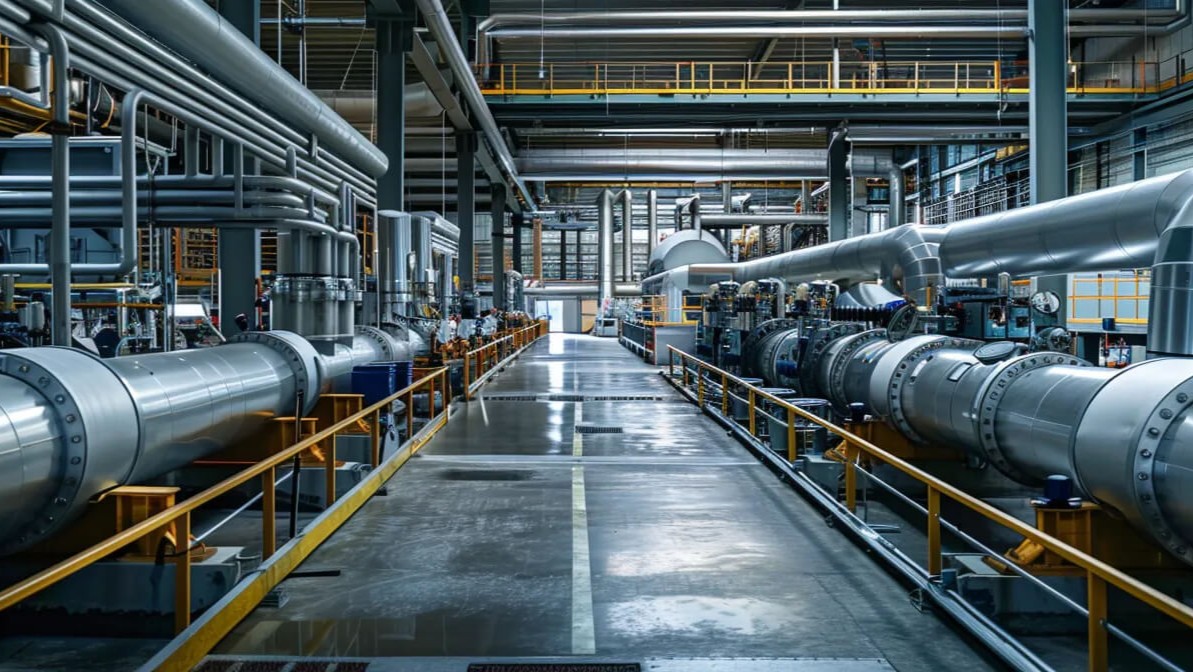
The ability to control process temperatures with precision is a hallmark of glycol-based cooling. Glycol’s thermal properties enable a broad range of temperature regulation, which is indispensable in industries where even slight deviations can be costly. With the help of glycol coolants, temperatures can be closely managed to suit any specific process requirements.
Glycol systems provide uniform temperature distribution, ensuring all parts of the equipment maintain the correct temperature and eliminating hotspots that can affect product quality. They also excel in heat absorption, making them more effective than water for managing larger heat loads. Additionally, the sustainability of glycol solutions reduces the need for constant replenishment, making it cost-effective and minimizing environmental impact.
Glycol Cooling Systems and Their Energy Efficiency Benefits
Energy efficiency is a priority for businesses seeking to reduce operational costs and their carbon footprint. Glycol cooling systems effectively address this need, often yielding substantial energy savings compared to traditional cooling methods. This is primarily due to the optimized heat transfer capabilities of glycol solutions, which require less energy to achieve the desired cooling effect.
Additionally, these systems tend to have a longer lifespan and lower maintenance requirements. The reduced need for repairs and replacements translates into fewer disruptions and a more streamlined energy use over time. This is particularly crucial in industrial settings, where downtime can result in significant financial losses.
Modern glycol systems also integrate seamlessly with various energy recovery and reuse strategies. The excess heat absorbed by the glycol mixture can be repurposed rather than wasted. This form of heat recovery is an increasingly popular practice that promotes sustainability and energy conservation within industries.
The Role of Glycol Coolants in Reducing Operational Downtime
Operational downtime poses significant challenges in industrial manufacturing, leading to lost productivity and revenue. Glycol cooling systems effectively address this by ensuring high reliability and reducing maintenance needs due to their anti-corrosive properties, which protect equipment from wear.
When maintenance is needed, glycol coolants facilitate quicker servicing with lower health and safety risks compared to other industrial chemicals. Their efficiency during peak performance minimizes downtime, as they can handle substantial workloads without interruption.
Additionally, glycol’s resistance to extreme temperatures helps prevent weather-related shutdowns, making these systems especially valuable in regions with drastic temperature fluctuations and ensuring continuous operation year-round.
Clycol cooling systems are transforming industrial temperature control with their energy efficiency, reliability, and versatility. They represent a smart choice for industries that require stringent temperature control while seeking to minimize energy costs and operational downtime. With advancements in technology propelling these systems forward, the future of industrial cooling looks cool indeed.