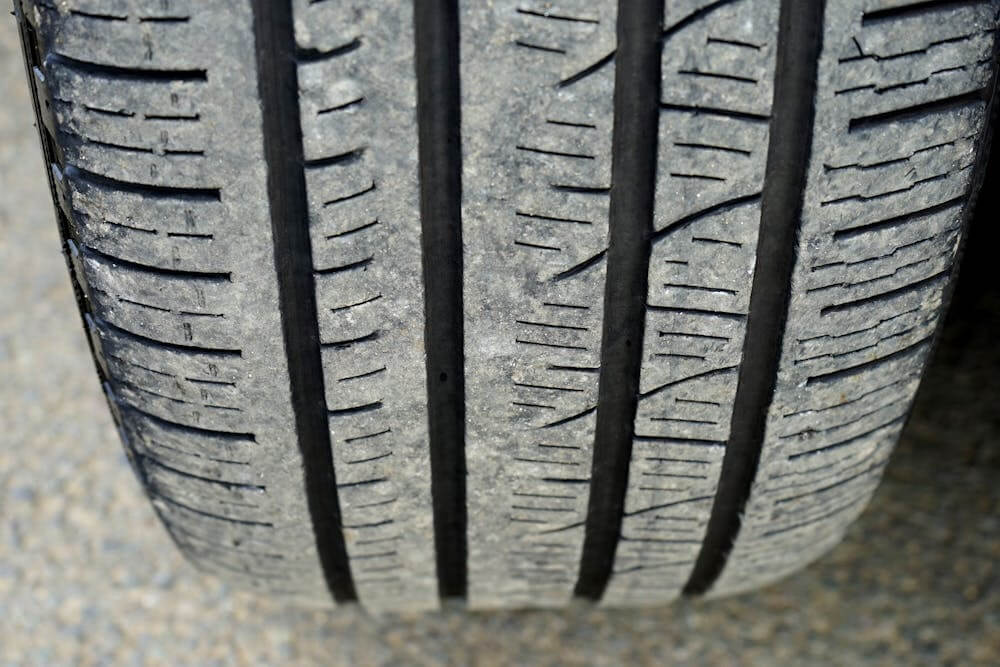
Tyres are not just about rubber and air. It’s the piece of engineering in the vehicle that keeps the speed intact and allows the vehicle to carry tons of weight.
Among the various numbers and markings on the tyre sidewalls, the load index is a particularly important one to keep track of. Why? Apparently, understanding this number can help vehicle owners save thousands of rupees and avoid legal penalties. But how?
That’s what we’re going to explain in this blog post. Read along as we explore the importance of your vehicle’s load index.
The Basics: What is Tyre Load Index?
The tyre load index is the benchmark for the weight the tyres can carry at a specific air-pressure level. In most cases, it appears as a two or three-digit number on the tyre’s sidewall.
For example, a tyre with a load index of 150 can carry around 3350 kg. Check out the Birla Tyres load index chart for further details.
In short, you can refer to the load index like a tyre’s strength and safe weight-bearing capacities. It also suggests at what level the tyre weakens and has a chance of bursting.
Why It’s Important for Indian Roads
Indian roads are unpredictable. Once it’s smooth, and the next minute you see the road changing its nature to bumpy and full of gravel, and potholes. It’s not easy to operate on diverse road conditions, especially when you’re driving an agricultural vehicle, construction vehicle, or even a commercial truck. On top of that, add heavy cargo, long distances, and hot summers, and tyres face extreme stress. The load index ensures you’re not pushing tyres beyond their limit.
Fleet owners who ignore load index often face frequent punctures, sidewall bulges, or even blowouts on their truck tyres. That means downtime, repair costs, and safety risks. Respecting the load index is like respecting the red line on your speedometer. You don’t cross it if you want the engine to last.
How to Read the Load Index?
It’s simple once you know where to look. On the tyre’s sidewall, you’ll see a series of numbers and letters. Look for something like “10.00-20 16PR 146/142K”.
Here’s the breakdown of the marking:
Birla Example: BT112 Platinum (10.00-20)
Sidewall shows “146/142”
- Single: 146 = 3,000 kg
- Dual: 142 = 2,500 kg
- Perfect for 10-ton trucks.
Birla Tyres and Load Index Confidence
Birla Tyres designs bus and truck bias tyres with strong load ratings suited for Indian conditions. Their reinforced bead design and thicker sidewalls mean tyres can carry heavy loads without rim slippage or bulging.
For mining trucks, highway buses, or rural carriers, Birla’s tyres are tested to handle both weight and impact. Fleet owners often report that Birla tyres allow multiple retreads, proving their durability under load.
Common Mistakes to Avoid
- Ignoring the chart: Don’t guess the load index. Always check the manufacturer’s chart.
- Overloading vehicles: Even the strongest tyre has a limit. Respect it.
- Mixing tyres: Never fit tyres with different load indexes on the same axle.
- Low air pressure: A tyre rated for heavy loads still needs proper inflation.
Why Load Index Matters for Safety
A tyre blowout on a highway can be disastrous. For buses, it risks passenger lives. For trucks, it can damage cargo and cause accidents. The load index is not just a technical detail; it’s a safety guarantee.
Drivers who understand this number drive with more confidence. Fleet owners who respect it save money. And passengers who ride on buses with the right tyres enjoy safer journeys.
Respect the Number
The tyre load index is a small code with a big impact. It tells you how much weight your tyre can carry safely. For Indian roads, where loads are heavy and conditions tough, this number is the difference between smooth journeys and costly breakdowns.
Birla Tyres makes it simple by offering tyres with strong load ratings, built for buses and trucks that face India’s toughest routes. Next time you buy tyres, don’t just check the size. Check the load index as well. It’s the smartest way to keep your vehicles rolling strong.